Mazag
Back to fragrance news

Industry

Farina 1709 Eau de Cologne: Simply Timeless

Source: The Perfume Society

Farina 1709 Eau de Cologne: Simply Timeless

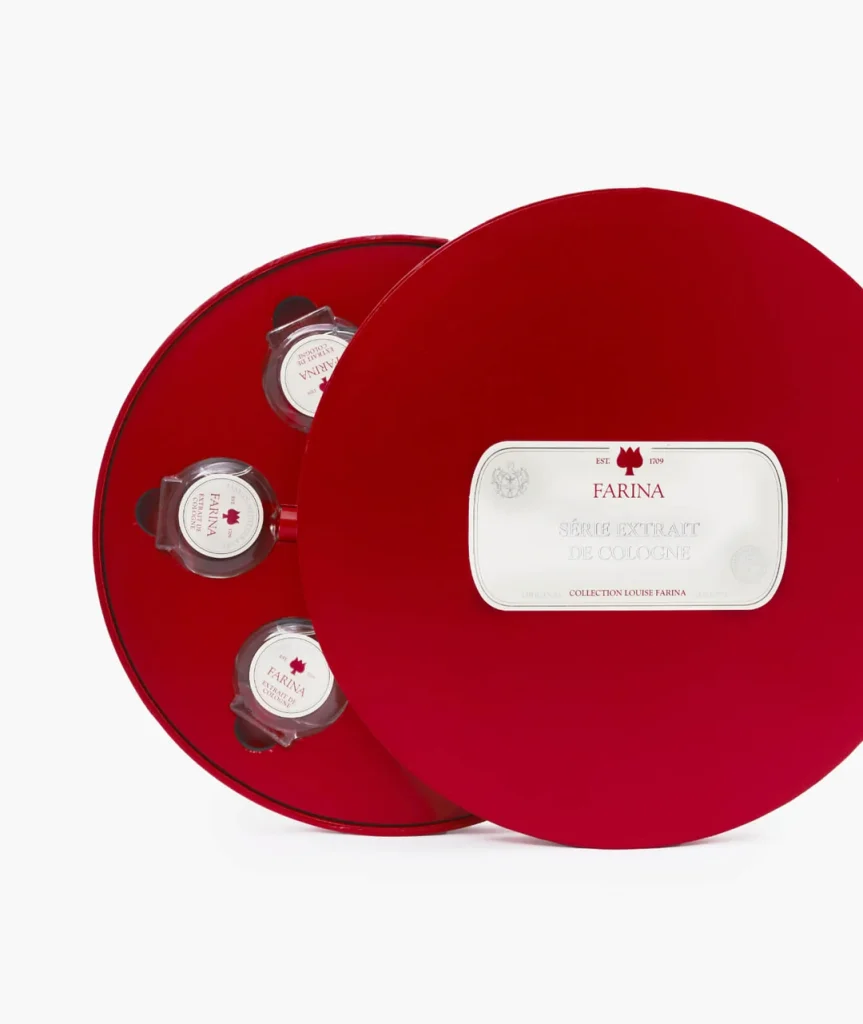
Eau de Cologne has always carried a certain mystique. Crisp, bright and effortlessly wearable, it occupies a unique place in the fragrance world — one that stretches from the powdered wigs of 18th-century Europe to the minimalist bathroom shelves of today. While modern perfumery constantly reinvents itself, cologne remains timeless precisely because of its simplicity. The story begins in the German city of Cologne, where Italian perfumer Johann Maria Farina created a revolutionary scent in 1709. Inspired by the freshness of spring mornings after rain, his fragrance was unlike the heavy animalic perfumes popular at the time. Built around sparkling citrus notes — bergamot, lemon and orange blossom — Eau de Cologne felt clean, uplifting and refined. It quickly became a sensation among European aristocracy, favoured by emperors, royals and travellers alike. Traditionally, cologne referred to fragrances with a lighter concentration of perfume oils, often dominated by citrus, herbs and aromatic woods. Their appeal lay in their immediacy: refreshing rather than overwhelming, intimate rather than theatrical. And yet, despite centuries of changing tastes, that effortless freshness still resonates today. Modern fragrance wardrobes are increasingly built around versatility. We no longer reserve scent for evening occasions or formal events; fragrance has become part of daily ritual and personal wellbeing. In this landscape, cologne feels more relevant than ever. A crisp neroli blend befo